Back to Portfolio
Construction of Crispr-Cas9 Cassette for Bacterial Genome Insertion through Homologous Recombination
Research Overview
The objective of the study was to construct a CRISPR-Cas9 cassette for insertion into the bacterial genome by homologous recombination. The CRISPR-Cas9 cassette system will be employed as a functional genomic tool to investigate the roles of various bacterial genes.
Methodology
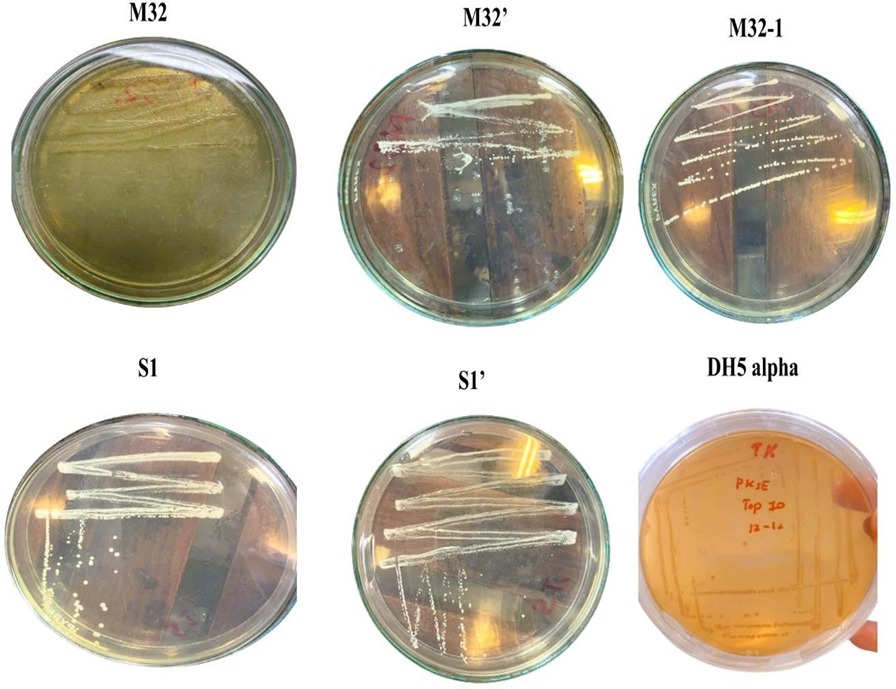
We utilized a recombinant E. coli DH5 alpha vector carrying the Cas9 gene (DH5 alpha/pRGEB32). The Cas9 gene was amplified from pRGEB32 and then used to produce a Cas9 gene cassette for genome insertion via homologous recombination. Furthermore, a Cas9 gene screening method for environmental bacterial isolates was developed and refined.
Key Findings
- The CRISPR-Cas9 cassette was designed for homologous recombination to insert the bacterial genome.
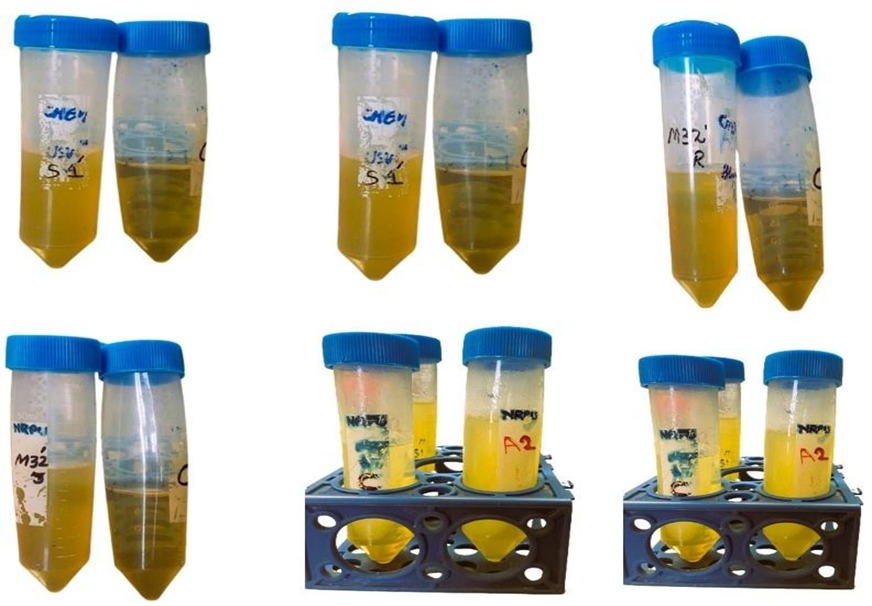
- Its gene screening technique was designed and verified using environmental bacteria obtained from sewage (Alcaligenes faecalis and pseudomonas stutzeri) from the Khewra mine.